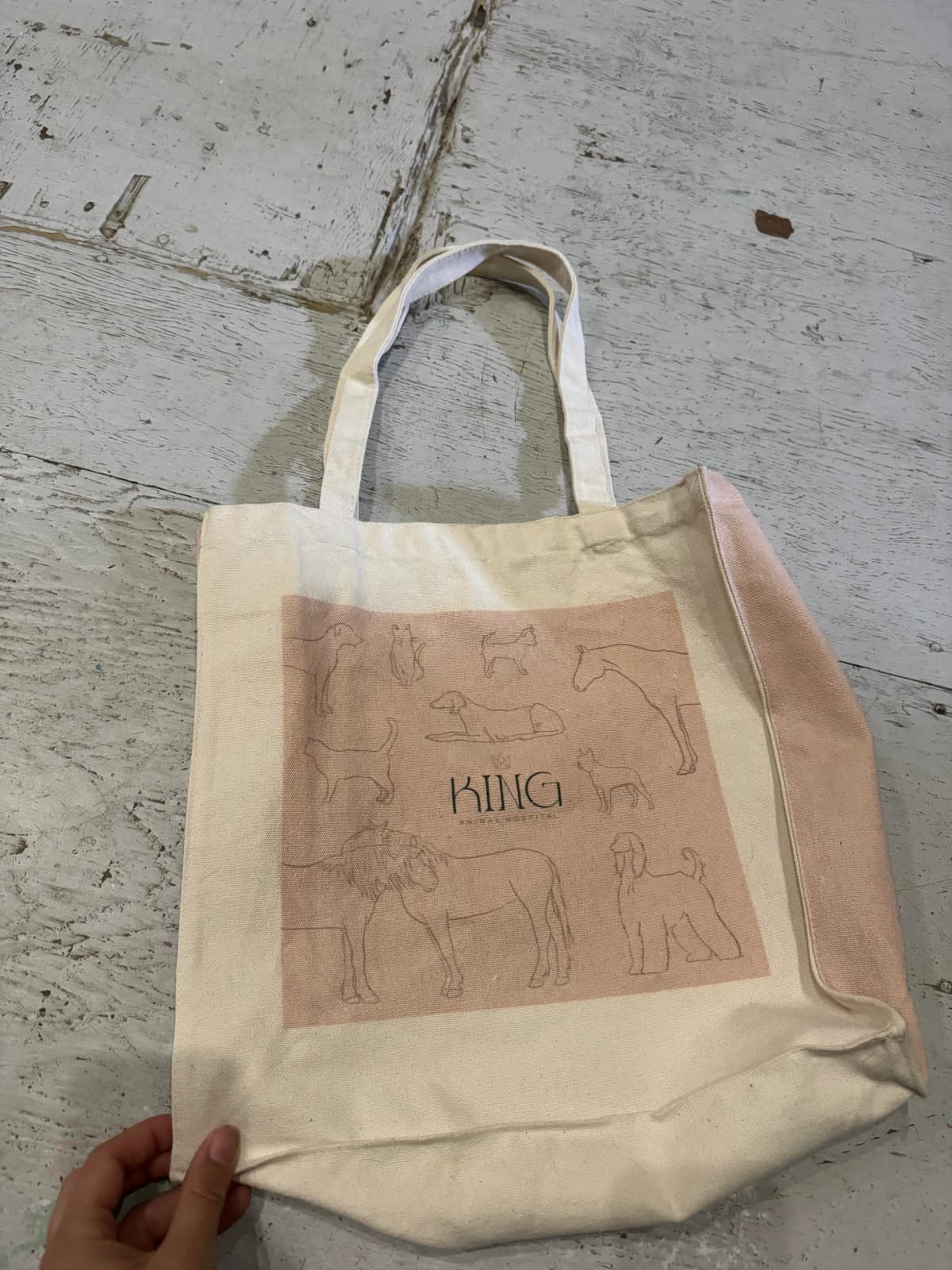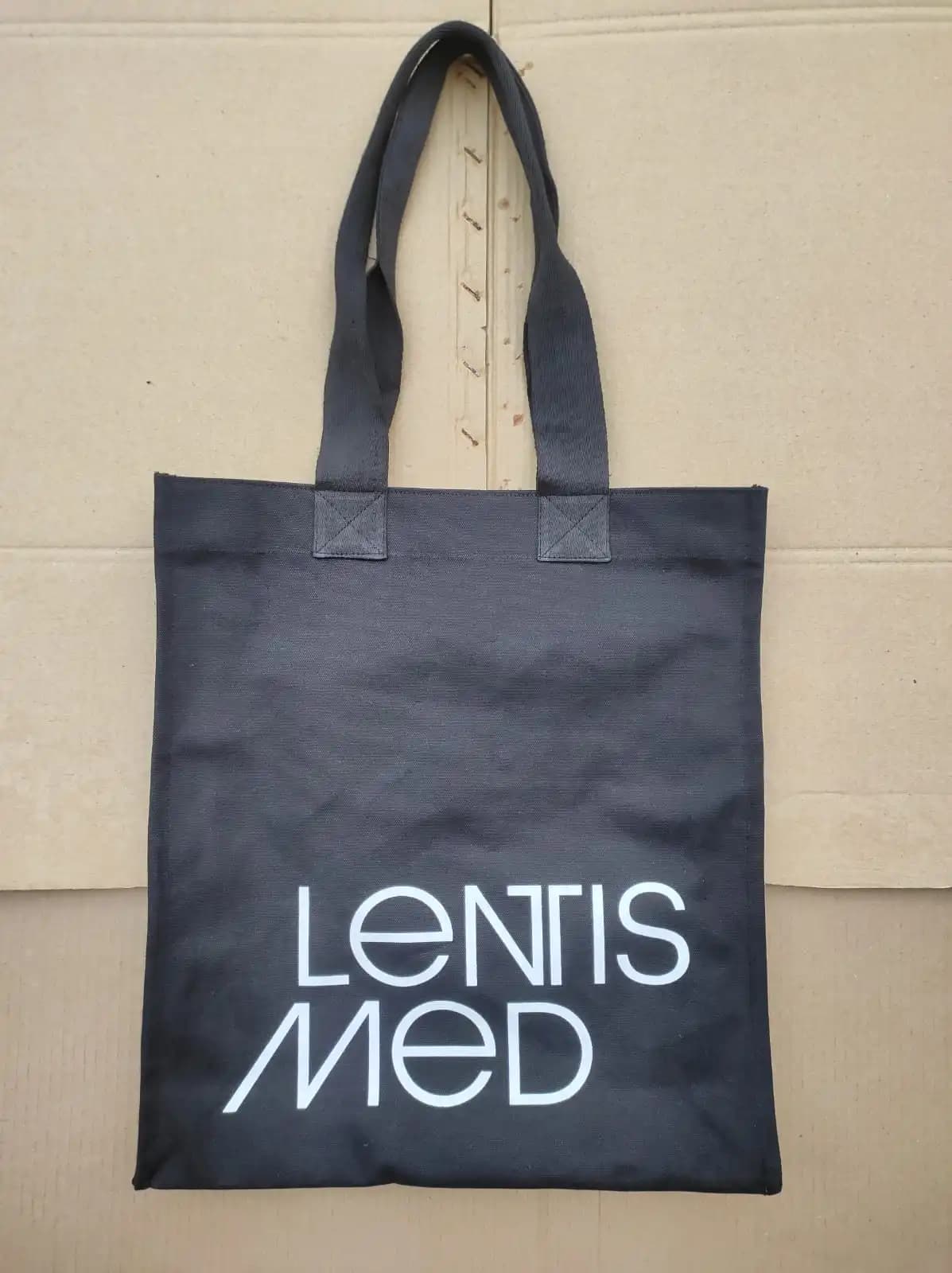
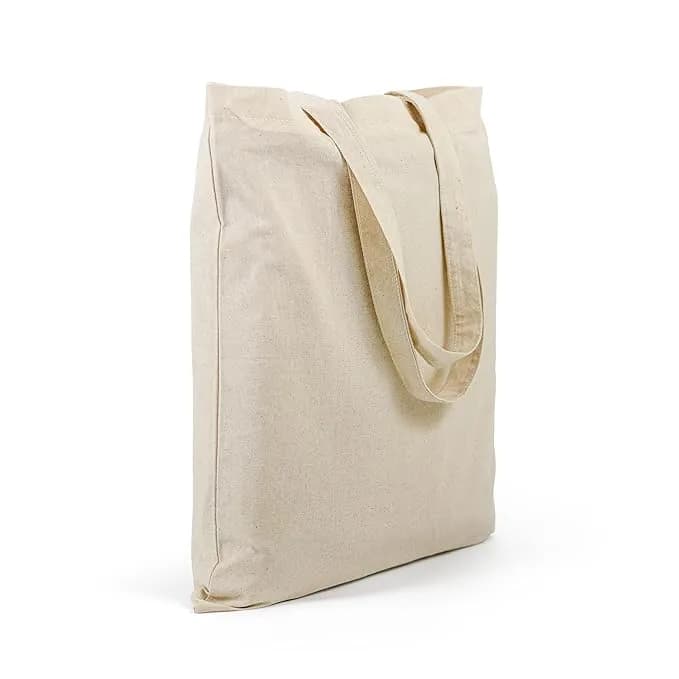
India has established itself as one of the world's most trusted sourcing destinations for cotton bags and home textiles. Renowned for its high-quality cotton, skilled craftsmanship, competitive manufacturing costs and strong export infrastructure, India supplies a wide range of textile products to retailers, wholesalers, distributors and private-label brands across North America, Europe, Australia, the Middle East and beyond.
As global demand for sustainable products continues to grow, cotton bags have become a preferred alternative to single-use plastics, while Indian home textiles—including cushion covers, table linens, kitchen textiles, bed linens and decorative fabrics—remain popular for their quality, design versatility and customization options.
However, importing successfully requires more than identifying a supplier with competitive pricing. It involves supplier qualification, product specification, quality assurance, regulatory compliance, logistics planning, and effective supply chain management.
This guide outlines the complete process of importing cotton bags and home textiles from India, helping you build a reliable and cost-effective sourcing strategy.
Why Source Cotton Bags and Home Textiles from India?
India is one of the world's largest producers of cotton and has a well-integrated textile manufacturing ecosystem. From spinning and weaving to dyeing, printing, stitching, and packaging, most production processes are completed domestically, allowing manufacturers to maintain better quality control and competitive pricing.
Key advantages include:
- High-quality cotton and natural fibers
- Skilled artisans and modern textile manufacturing facilities
- Competitive production costs
- Strong capabilities in custom manufacturing and private labeling
- Sustainable and Eco-friendly production options
- Compliance with international quality standards
- Extensive experience in exporting to global markets
Whether you are launching a sustainable product line or expanding your home décor collection, India offers scalable manufacturing solutions for businesses of all sizes.
Step 1: Define Your Product Specifications
Every successful sourcing project begins with a detailed Product Specification Sheet (PSS). Clear specifications reduce production errors and ensure accurate quotations.
For cotton bags, include:
- Product type (Tote Bags, Shopping Bags, Drawstring Bags, Canvas Bags, Promotional Bags, Grocery Bags)
- Fabric composition
- Fabric weight (GSM)
- Bag dimensions
- Handle length and construction
- Printing method (Screen Print, Digital Print, Heat Transfer, Embroidery)
- Stitching requirements
- Reinforcements
- Labels and branding
- Packaging requirements
For home textiles, specify:
- Product category
- Fabric composition
- Weave construction
- Thread count (where applicable)
- GSM
- Size specifications
- Color references (Pantone codes)
- Printing or embroidery details
- Washing instructions
- Care labels
- Retail packaging
Detailed specifications help manufacturers provide accurate samples and production timelines.
Step 2: Identify a Reliable Export Manufacturer
Choosing the right supplier is one of the most important procurement decisions.
Evaluate manufacturers based on:
- Export experience
- Manufacturing capacity
- Product specialization
- Customization capabilities
- Production lead time
- Quality management systems
- Communication efficiency
- Customer references
Request information about previous export markets, production facilities and quality assurance procedures before placing an order.
Step 3: Verify Certifications and Sustainability Standards
Many international buyers require compliance with environmental and social responsibility standards.
Common certifications include:
- GOTS (Global Organic Textile Standard)
- OEKO-TEX Standard 100
- SEDEX
- BSCI
- ISO 9001
- ISO 14001
If sustainability is part of your brand positioning, ask suppliers to provide documentation supporting the use of organic cotton, recycled materials or environmentally responsible manufacturing processes.
Step 4: Request Product Samples
Before confirming production, evaluate physical samples.
Inspect the samples for:
Cotton Bags
- Fabric quality
- GSM consistency
- Stitch strength
- Handle durability
- Printing quality
- Shape and dimensions
- Packaging
Home Textiles
- Fabric softness
- Color consistency
- Stitching quality
- Shrinkage performance
- Finishing
- Embroidery quality
- Print alignment
Sample approval reduces production risks and establishes clear quality expectations.
Step 5: Compare Quotations Beyond Unit Price
Professional buyers evaluate the Total Landed Cost (TLC) rather than focusing solely on the factory price.
Consider:
- Unit price
- MOQ (Minimum Order Quantity)
- Sampling charges
- Packaging costs
- Branding costs
- Inland transportation
- Export documentation
- Ocean or air freight
- Marine insurance
- Import duties
- Customs clearance costs
A supplier with a slightly higher factory price may provide better quality, lower defect rates and more reliable delivery.
Step 6: Understand the Production Process
Knowing how your products are manufactured helps improve planning and quality control.
Cotton Bag Manufacturing
- Fabric procurement
- Fabric inspection
- Cutting
- Printing or embroidery
- Stitching
- Reinforcement
- Quality inspection
- Packing
Home Textile Manufacturing
- Yarn selection
- Weaving or knitting
- Dyeing or printing
- Cutting
- Stitching
- Embroidery (if applicable)
- Finishing
- Ironing
- Inspection
- Packaging
Ask your supplier to share production schedules and milestone updates throughout manufacturing.
Step 7: Implement Quality Control Procedures
Quality assurance should be integrated throughout production.
Typical inspections include:
Raw Material Inspection
Verification of fabric composition, GSM, colour consistency and defects.
In-Process Inspection
Monitoring stitching quality, dimensions, print alignment and workmanship during production.
Final Random Inspection
Inspection based on internationally accepted AQL (Acceptable Quality Limit) standards before shipment.
Quality inspections significantly reduce the risk of defective shipments and customer complaints.
Step 8: Finalize Commercial Terms
Before production begins, confirm:
- Incoterms (FOB, CIF, EXW, DDU)
- Production lead time
- Payment schedule
- Packaging standards
- Shipment schedule
- Warranty policy
- Product replacement procedure
- Quality acceptance criteria
Clearly documented agreements help prevent misunderstandings during production.
Step 9: Prepare Export Documentation
Accurate documentation ensures smooth customs clearance.
Typical export documents include:
- Commercial Invoice
- Packing List
- Bill of Lading (B/L)
- Air Waybill (AWB)
- Certificate of Origin
- Insurance Certificate (if applicable)
- Inspection Certificate (when required)
Confirm documentation requirements with your freight forwarder and customs broker before shipment.
Step 10: Plan Shipping and Customs Clearance
Choose the most suitable logistics option based on shipment size and delivery schedule.
Sea Freight
Ideal for large-volume shipments with lower transportation costs.
Air Freight
Suitable for urgent orders or smaller consignments.
Work with an experienced freight forwarder to coordinate shipping, customs clearance and final delivery.
Common Challenges When Importing Cotton Bags and Home Textiles
International buyers should proactively manage potential risks such as:
- Fabric colour variation
- GSM inconsistencies
- Printing defects
- Stitching quality issues
- Packaging damage
- Production delays
- Customs documentation errors
- Shipping disruptions
Regular communication and structured quality inspections help minimize these challenges.
Tips for Building a Long-Term Supplier Partnership
Successful sourcing is based on trust and continuous improvement.
To strengthen supplier relationships:
- Share accurate product specifications.
- Approve samples before production.
- Communicate production timelines clearly.
- Conduct periodic quality reviews.
- Provide constructive feedback.
- Forecast future demand where possible.
- Build long-term purchasing agreements.
Reliable supplier partnerships often result in improved pricing, priority production scheduling and better product consistency.
Why Choose India for Cotton Bags and Home Textile Imports?
India continues to be a preferred sourcing destination because of its:
- Abundant cotton production
- Advanced textile manufacturing capabilities
- Skilled workforce
- Sustainable product options
- Competitive pricing
- Strong export infrastructure
- Experience serving international brands, retailers, wholesalers and importers
These strengths enable businesses to source high-quality products while maintaining supply chain flexibility and cost efficiency.
Final Thoughts
Importing cotton bags and home textiles from India is a strategic investment for businesses looking to expand their product portfolio with high-quality, sustainable, and customizable products. Success depends on selecting the right manufacturing partner, defining clear technical specifications, implementing robust quality control and managing logistics efficiently. You should not consider only price rather consider right price, transparent communications, detailed quotation and fast response.
Whether you are sourcing reusable cotton bags for retail, promotional campaigns, or Eco-friendly packaging or importing premium home textiles for hospitality, home décor or private-label collections, following a structured procurement process will reduce sourcing risks and improve long-term business performance.
Partnering with an experienced Indian exporter gives you access to industry expertise, reliable manufacturing, global shipping capabilities and the confidence to build a resilient international supply chain.
admin
Providing deep insights into sustainable packaging, eco-friendly business practices and the jute manufacturing industry.