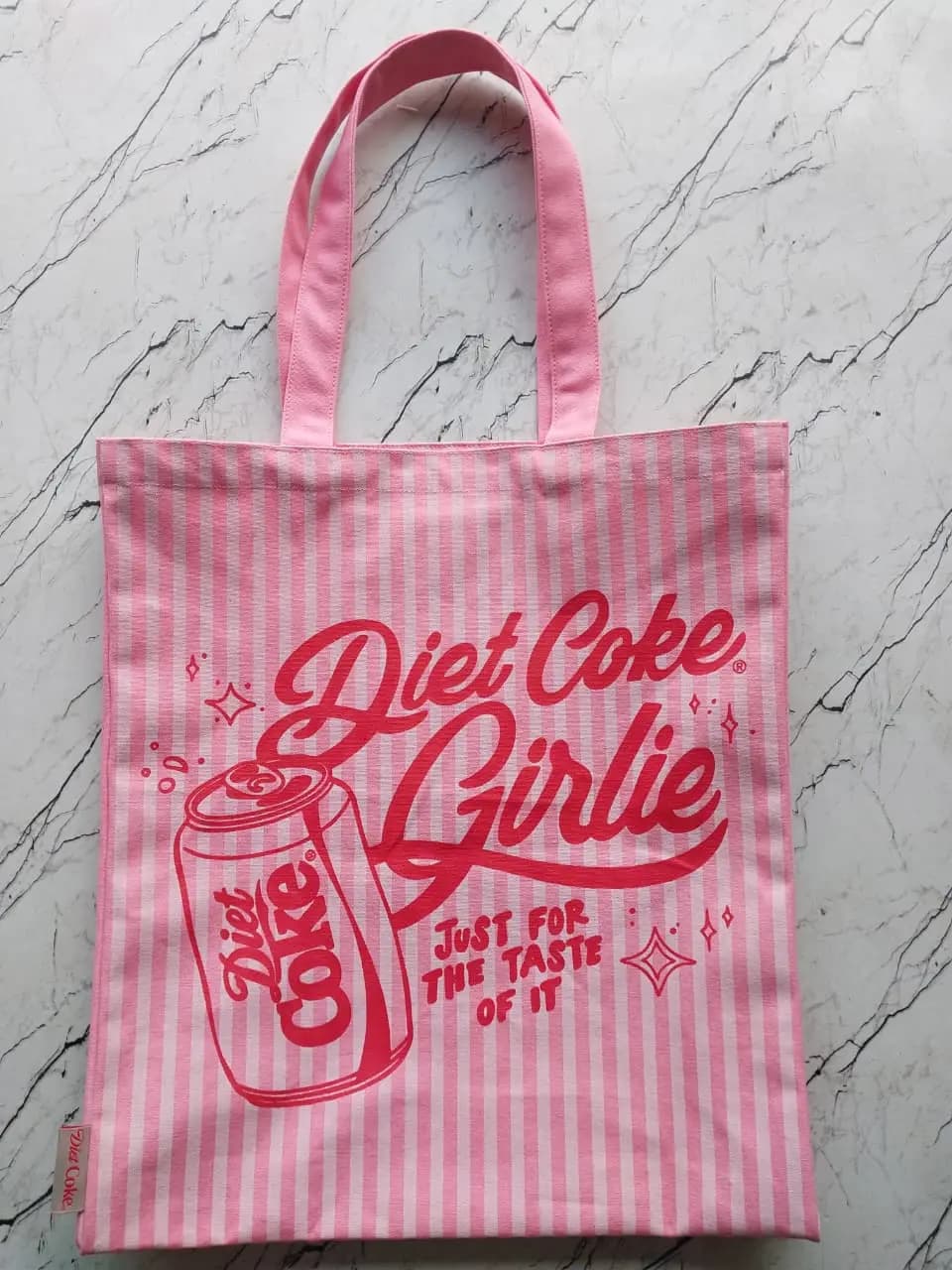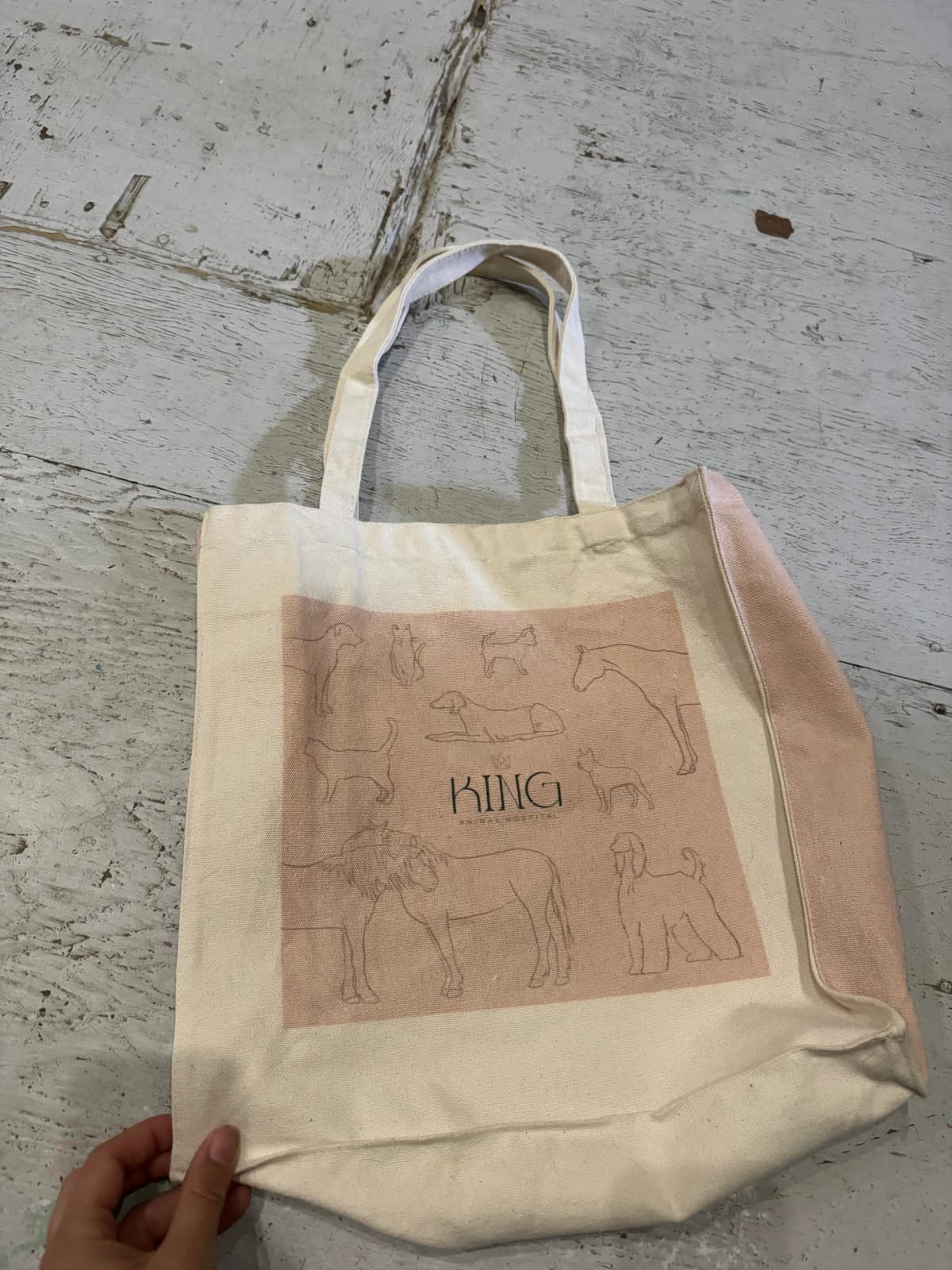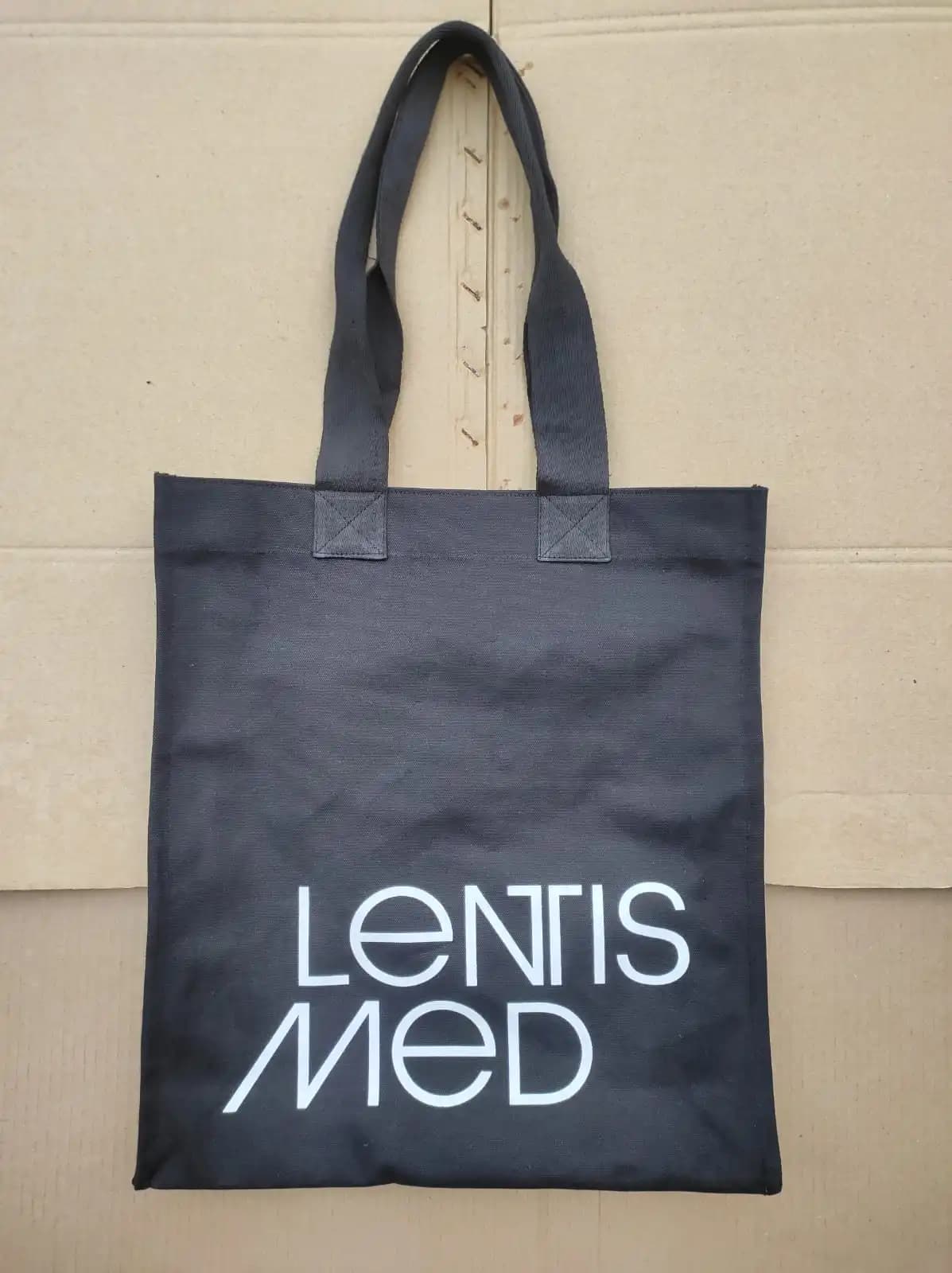
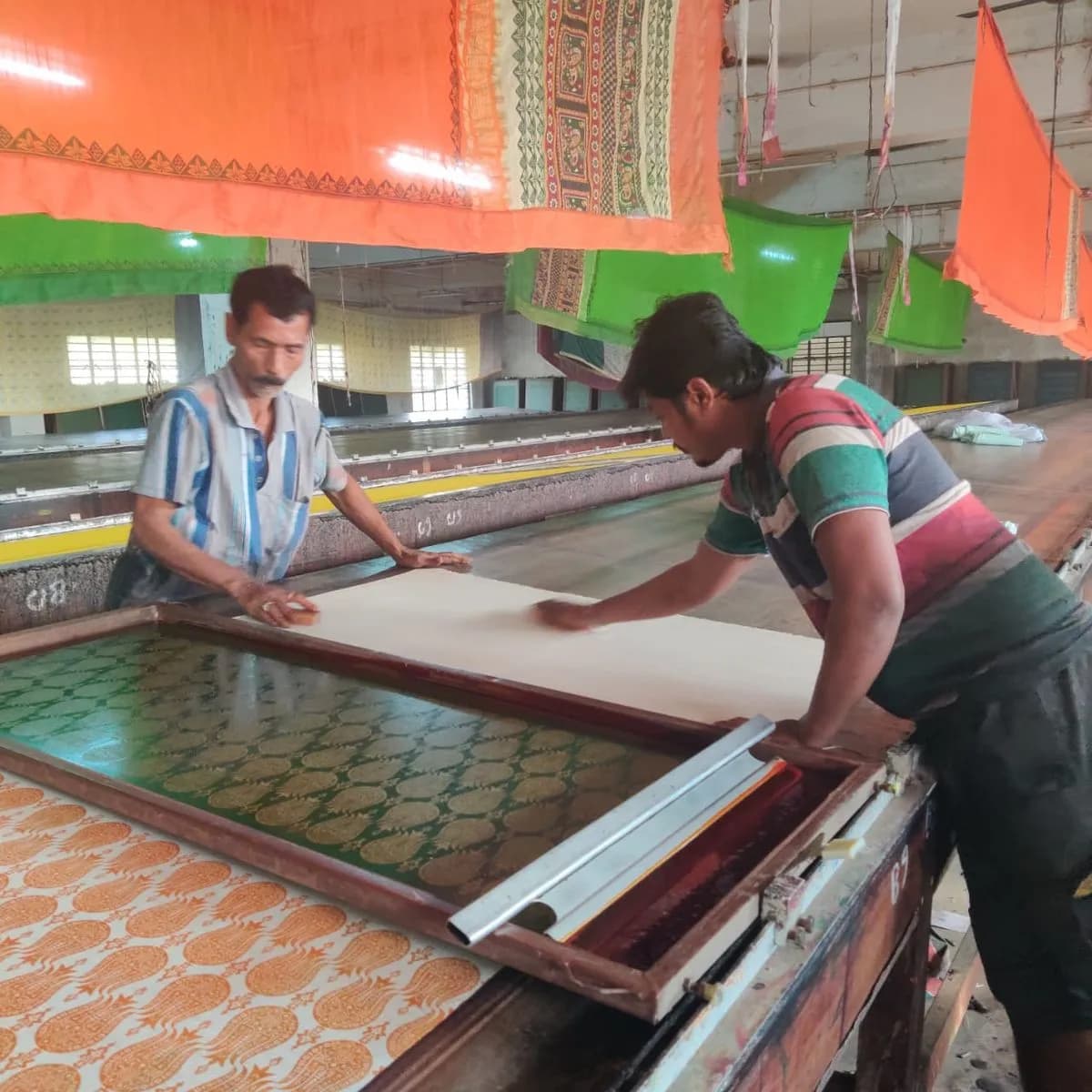
In an era where digital technology is transforming every industry, printing has evolved rapidly with innovations such as Direct-to-Garment (DTG), Direct-to-Film (DTF), UV printing, sublimation and other advanced methods. These technologies have made printing faster, more flexible and more accessible than ever before. However, despite these advancements, screen printing remains one of the most trusted and widely used printing techniques across industries. From custom apparel and promotional merchandise to industrial products and signage, screen printing continues to deliver unmatched quality, durability and value.
While no single printing method is perfect for every application, screen printing consistently proves its worth when quality, longevity and large-scale production matter most. Here's why it continues to outperform many modern printing techniques.
Exceptional Print Durability
One of the biggest reasons businesses continue to rely on screen printing is its remarkable durability. Unlike many digital printing methods that apply thinner layers of ink, screen printing deposits a thicker, more substantial layer directly onto the material. This results in prints that can withstand repeated washing, frequent handling, and exposure to outdoor conditions without fading or peeling.
For industries such as sportswear, workwear, uniforms and promotional clothing, durability is a top priority. Customers expect their garments to maintain their appearance after dozens—or even hundreds—of washes. Screen printing consistently meets these expectations, making it a preferred choice for products designed for long-term use.
Rich, Vibrant Colours That Stand Out
Colour quality plays a significant role in creating visually appealing printed products. Screen printing is renowned for producing bold, vibrant and highly saturated colors that capture attention instantly.
Unlike many digital printing techniques, which often rely on blending CMYK inks, screen printing uses specially formulated spot colors. Each colour is applied individually, resulting in exceptional color accuracy and consistency. This process creates solid, opaque prints that remain vivid even on dark-coloured fabrics.
Whether you're printing a corporate logo, promotional artwork or fashion graphics, screen printing ensures every design appears sharp, professional and eye-catching.
Cost-Effective for Large Production Runs
Although screen printing requires initial setup, including creating screens for each colour, it becomes extremely economical once production begins. After the screens are prepared, printing additional items requires minimal additional cost.
This makes screen printing the ideal solution for businesses producing hundreds or thousands of identical products. The cost per item decreases significantly as order quantities increase, making it one of the most cost-efficient printing methods available for bulk production.
Schools, sports teams, event organizers, corporate brands and promotional product companies frequently choose screen printing because it combines premium quality with excellent value for high-volume orders.
Works on a Wide Variety of Materials
One of screen printing's greatest strengths is its versatility. It is not limited to clothing alone but can be used on an impressive range of surfaces.
Common materials suitable for screen printing include:
- Cotton
- Polyester
- Canvas
- Nylon
- Paper
- Cardboard
- Glass
- Wood
- Metal
- Plastic
- Ceramics
- Leather
Because of this flexibility, screen printing serves industries ranging from fashion and retail to manufacturing, packaging, advertising and interior design.
Whether creating branded apparel, product packaging, decorative signage or industrial components, screen printing delivers consistent results across multiple materials.
Unique Specialty Effects
Modern digital printing technologies have become increasingly sophisticated but they still struggle to replicate many of the creative effects that screen printing can achieve.
Screen printing supports an extensive variety of specialty inks and finishes, including:
- Puff printing for raised designs
- Metallic inks
- Glitter finishes
- Glow-in-the-dark effects
- High-density textures
- Foil adhesive printing
- Reflective inks
- Fluorescent colors
- Soft-touch finishes
- Gel and suede textures
These specialty effects help brands create products with distinctive visual appeal and tactile experiences that stand out in competitive markets.
Fashion brands, luxury packaging companies and promotional merchandise suppliers often rely on screen printing specifically for these premium finishing options.
Outstanding Colour Consistency
Consistency is critical for businesses printing branded merchandise. Corporate colours must remain identical across every garment, poster or promotional item to maintain brand identity.
Because screen printing uses pre-mixed spot colours rather than digitally generated color blends, it offers exceptional colour consistency throughout long production runs.
Whether printing 100 shirts or 100,000 promotional items, businesses can expect nearly identical results from the first print to the last. This reliability is one of the reasons major global brands continue to use screen printing for large-scale marketing campaigns.
Superior Coverage on Dark Materials
Printing on dark fabrics presents challenges for many digital printing methods. Colours may appear dull or require multiple layers to achieve proper opacity.
Screen printing naturally excels in this area because it deposits thicker ink layers that provide excellent coverage over dark surfaces. White inks remain bright and opaque, while coloured inks maintain their intended vibrancy without being affected by the fabric underneath.
This advantage makes screen printing particularly popular for black T-shirts, hoodies, tote bags and promotional apparel.
High-Speed Production
For large commercial orders, production speed is essential. Once the printing setup is complete, automated screen printing presses can produce thousands of prints in a single day while maintaining consistent quality.
This efficiency enables manufacturers to fulfill large corporate orders, event merchandise, school uniforms and retail inventory within tight deadlines.
For businesses handling high-volume printing regularly, screen printing offers both speed and reliability that few other techniques can match.
Proven Reliability Across Industries
Screen printing has been refined over decades of industrial use. It remains a trusted manufacturing process because of its dependable performance and consistent output.
Industries that continue to rely heavily on screen printing include:
- Apparel manufacturing
- Promotional products
- Sportswear
- Industrial labeling
- Electronics
- Packaging
- Automotive components
- Medical equipment
- Advertising signage
Its widespread adoption demonstrates its ability to meet demanding quality standards across diverse applications.
Where Modern Printing Techniques Have the Advantage
Despite its many strengths, screen printing is not the perfect solution for every project.
Modern digital printing technologies offer several important advantages, particularly for small businesses and custom printing services.
Digital methods such as DTG and DTF are excellent choices for:
- One-off custom orders
- Personalized garments
- Full-color photographic artwork
- Print-on-demand businesses
- Small production runs
- Rapid design changes
- Variable data printing, such as individual names or numbers
These technologies require little to no setup time, making them ideal for businesses handling low-volume or highly customized orders.
The Best Choice Depends on Your Project
Rather than viewing screen printing and digital printing as competitors, it's more accurate to see them as complementary technologies. Each serves different business needs.
If your priority is producing large quantities of durable, vibrant and professionally finished products at the lowest possible cost per unit, screen printing remains one of the best solutions available. Its ability to deliver exceptional color quality, unmatched durability, specialty finishes and consistent results has ensured its continued popularity despite rapid technological advancements.
On the other hand, if your project requires personalization, photographic detail or short production runs, digital printing technologies may provide greater flexibility and faster turnaround times.
Conclusion
Screen printing has stood the test of time because it consistently delivers where it matters most: quality, durability, efficiency and value. Even as modern printing technologies continue to evolve, screen printing remains the preferred choice for businesses that demand long-lasting prints, vibrant colours and cost-effective production on a large scale.
The future of printing isn't about replacing one technique with another—it's about choosing the right method for the right application. For bulk production, premium finishes and dependable performance, screen printing continues to set the industry standard and remains an indispensable part of the modern printing landscape.
admin
Providing deep insights into sustainable packaging, eco-friendly business practices and the jute manufacturing industry.